
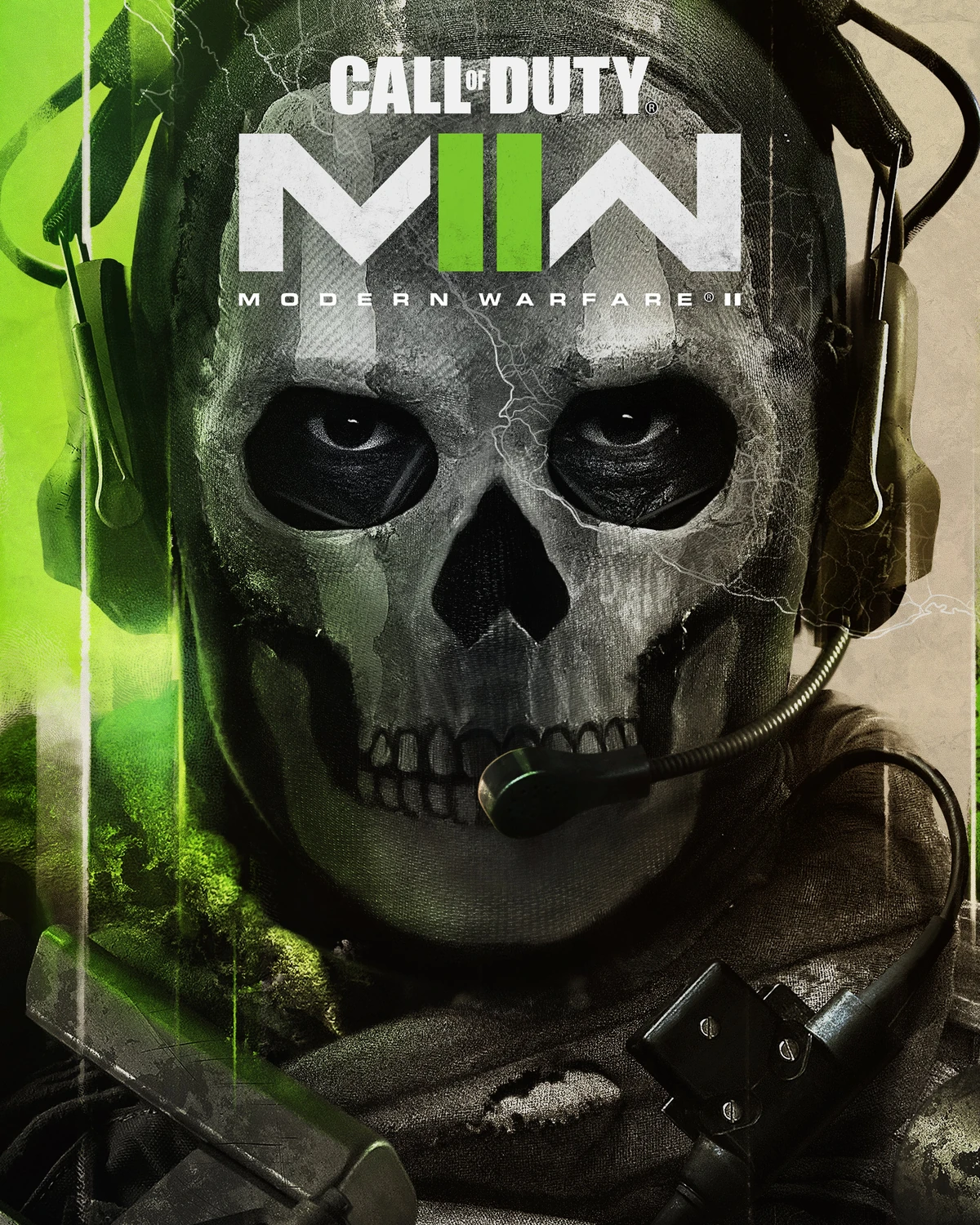
Modern Warfare II Isn’t a Sequel — It’s a Midlife Crisis With a Silencer

I played the Modern Warfare II campaign twice. First time, I rushed through it in four sittings, barely pausing to reload — just trying to get to the next cutscene, the next drone strike, the next morally ambiguous “we had no choice” moment. Second time, I slowed down. Sat through every briefing. Let Ghost stare blankly at a coffee cup for 12 seconds. Watched Price blink three times before delivering a line about “the cost of peace.” And honestly? The second run made me feel worse — not because it was heavy or profound, but because it kept pretending it was. Like it thought squinting harder at a satellite photo counted as storytelling.
You Can Swim Now. And It’s Weirdly Important.
Yeah, you read that right. For the first time since Black Ops III tried (and failed) to make underwater base-jumping a thing, MWII lets you swim. Not just wade — full submersion, breath meter, kicking animation, the works. You’ll do it in Gulf of Mexico missions, treading water while scanning for enemy boats, or diving off a cliff into murky harbor water near Chicago. It’s not flashy. No slow-mo underwater gunfights. Just… physics. You sink if you stop moving. You float if you surface. You can shoot while treading, but accuracy plummets — and your HUD flickers like a cheap flashlight.
It’s small. But it’s real. And in a franchise that’s spent 20 years treating environments like backdrops for bullet sponges, that tiny detail — the way your rifle dips slightly when submerged, how your breathing sounds change depending on depth — feels quietly revolutionary. It’s not “innovation” in the marketing sense. It’s just respect. Respect for the player’s sense of place. Which is more than I can say for half the scripted explosions in the campaign.
The Gunsmith Isn’t a Menu — It’s a Personality Test
Remember when weapon customization felt like assembling IKEA furniture with zero instructions? MWII’s Gunsmith is cleaner, yes — but also way more opinionated. Weapons are now grouped into “platforms”: M4s, AKs, MP5s, etc. Attachments unlock across all guns in that platform. Want a laser on your M16 and your XM4? Done. Want to swap a suppressor between them? Sure — unless it’s one of those “universal” attachments (like certain grips or mags), which apply everywhere.
Here’s what nobody talks about: this system forces you to commit. You don’t just slap on a red dot and call it a day. You pick a platform, invest hours unlocking its core tree, then decide whether to go full “silent assassin” (suppressor + grip + low-power optic) or “run-and-gun cowboy” (laser + extended mag + stock that makes recoil feel like getting punched by a very polite boxer). And if you switch platforms mid-season? You start over. No carryover. It’s punishing. And kind of brilliant.
I spent two weeks locked into the Kastov 762 — a weird, chunky Russian DMR that handles like a brick wrapped in duct tape — just to unlock its full attachment tree. Was it worth it? Objectively? Nah. Subjectively? Absolutely. That gun feels like mine now. Not because I tuned it perfectly, but because I bargained with it. I compromised. I accepted its recoil pattern like an old friend’s annoying habit.
Multiplayer Feels Like It Finally Remembered It’s Supposed to Be Fun
The Perk Packages system? Yeah, it’s gimmicky. Four perks per loadout, earned during the match — two base, one “bonus,” one “ultimate.” Kill someone, you might unlock “Cold-Blooded” (no thermal). Capture a flag, maybe grab “Scavenger” (ammo refill). It rewards playstyle, not just kills. Which means the guy camping behind a dumpster can eventually earn “Dead Silence” — and suddenly become terrifying.
But here’s the real win: movement. Dive-to-prone isn’t just a fancy slide. It’s tactical. You dive into cover instead of sliding past it — and if you’re fast, you’ll land prone before your opponent registers the motion. Ledge hang? You mantle, hang, peek left/right while drawing your sidearm, then drop back down without losing momentum. It’s not parkour. It’s just… smarter body language. Less “I’m invincible because I’m sprinting,” more “I’m alive because I thought.”
And vehicles? They break. Not just explode in a fireball — you can shoot off a Humvee’s door, blow a tire, shatter the windshield so the driver’s vision distorts. I once disabled a rival SUV by shooting its rear axle — it fishtailed violently, flipped, and landed upside-down. The driver crawled out, dazed, and I shot him with my pistol. No fanfare. No scorestreak. Just physics doing its quiet, violent job.
Campaign Mode Is All Sharp Edges and Blurry Ethics
Let’s be blunt: the story isn’t bad. It’s tired. A rogue CIA unit goes off-grid. A terrorist cell leaks bioweapons. Ghost gets a new mask. Price says “not today” approximately 17 times. The pacing is tight — no filler missions, no “go find three intel drops” padding — but the emotional beats land like bricks dropped from a third-floor balcony. There’s a scene in Amsterdam where civilians scatter during a firefight. You’re told to “minimize collateral,” but the game gives you no tools to actually do that. You either shoot or don’t shoot — and either way, someone screams in the background.
What does work is the texture. The way rain slicks the pavement in Urzikstan without turning it into a cinematic filter. How radio comms crackle differently depending on distance and obstruction. The fact that you can’t just “hold X to interact” with every door — some require breaching charges, others need silent entry, others just won’t open until the script says so. It’s restrictive, yes — but it’s intentional restriction. This isn’t a sandbox. It’s a tightly wound clockwork machine. You’re not exploring a world. You’re executing a plan. And sometimes, the plan fails. Badly.
Who’s This For? Not the Nostalgia Crowd. Not the “Just Give Me Guns” Crowd.
MWII isn’t for people who miss the days of “Press X to win.” It’s not for folks who want a narrative that holds their hand and whispers “you’re the hero.” And it sure as hell isn’t for anyone expecting Warzone-style chaos baked in.
It’s for players who like systems that talk back. Who enjoy learning a gun’s personality instead of just mastering its stats. Who don’t mind losing five matches in a row because they finally figured out how to chain a ledge hang into a blind-fire pistol shot. Who appreciate that swimming isn’t a gimmick — it’s a reminder that your character has weight, breath, and limits.
It’s flawed. The campaign leans too hard on grimdark posturing. The UI still clutters the screen like a nervous intern at a board meeting. And yeah, sometimes you’ll die because the game decided your dive-to-prone animation needed one extra frame to register cover.
But it’s also the most considered Call of Duty in years. Not the flashiest. Not the loudest. Just the one that seems to actually listen — to its own mechanics, to its players’ instincts, to the quiet weight of pulling a trigger in a world that doesn’t pause for drama.
So if you’re looking for something that feels less like a product and more like a conversation — even a slightly awkward, occasionally frustrating one — fire it up. Just don’t expect answers. Expect choices. And maybe, just maybe, a little respect.
References & Further Reading
Loading comments...
Loading similar articles...