
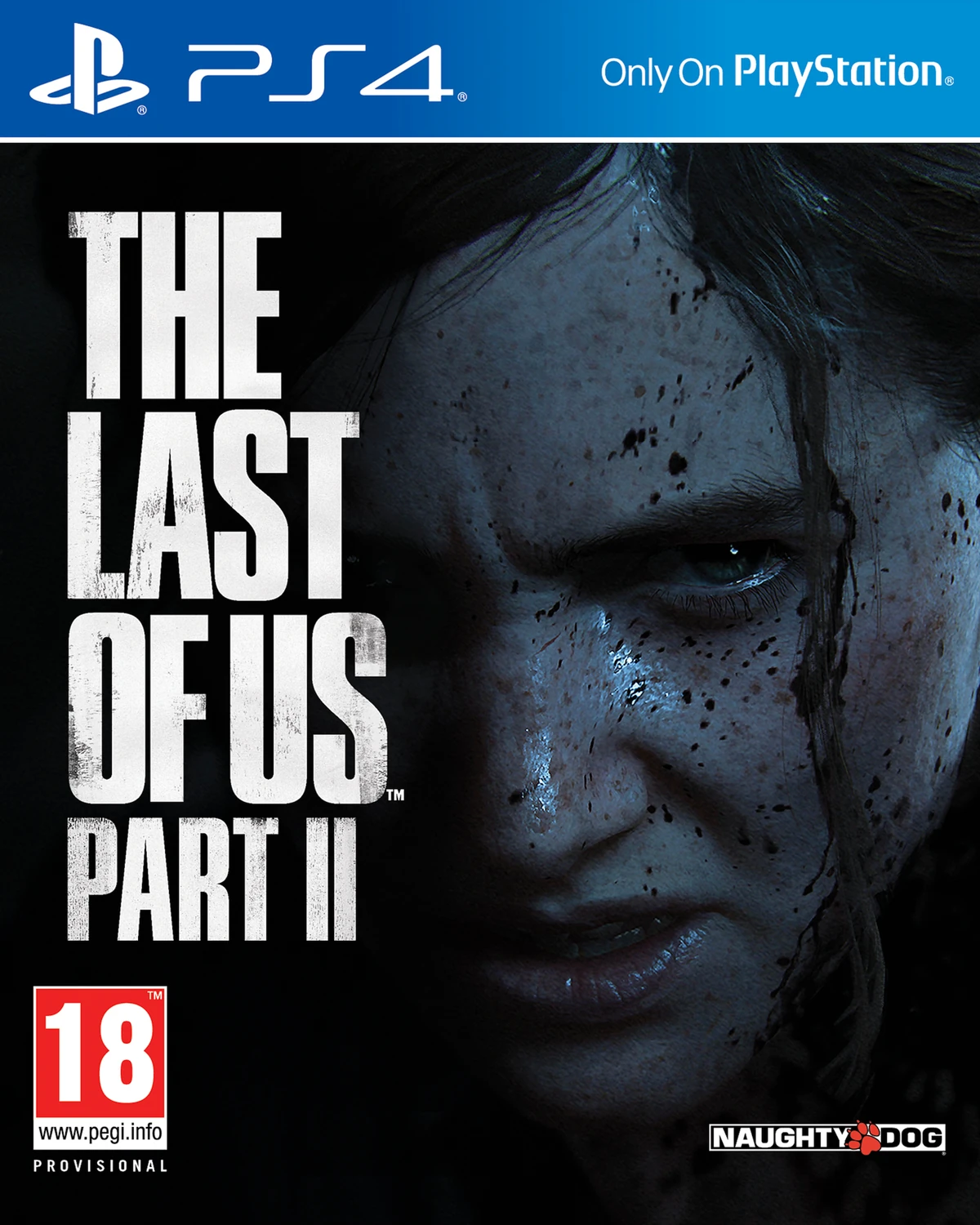
The Last of Us Part II Isn’t About Revenge — It’s About How Badly You Can Screw Up Your Own Life
The Last of Us Part II Isn’t About Revenge — It’s About How Badly You Can Screw Up Your Own Life I played The Last of Us Part II twice.
The Last of Us Part II Isn’t About Revenge — It’s About How Badly You Can Screw Up Your Own Life

I played The Last of Us Part II twice. First time, I put the controller down after the third chapter and didn’t pick it up for three days. Not because it was boring, god no, but because I felt physically ill. My stomach was tight. My jaw ached. I kept replaying that one cutscene in my head like it was a song stuck on loop. Not the violence, though yeah, there’s plenty, but the silence afterward. The way Ellie just stares at her hands like they belong to someone else.
That’s not how sequels usually make you feel. Most sequels want you to cheer. To lean in. To root for the hero as they punch harder, shoot straighter, get revenge cleanly. This one? It hands you a knife, shows you exactly where to stab, then spends the next 30 hours making sure you feel every millimeter of the blade sliding in, and out, and in again.
Okay, Let’s Talk About That First Hour
You know what’s wild? For the first 45 minutes, it feels like a warm hug. Sunlight on wooden porches. Dina laughing while braiding Ellie’s hair. Joel grumbling about fixing the generator, then quietly handing Ellie a guitar he’s been sanding down for weeks. There’s even a damn wedding, complete with terrible dancing and slightly burnt cake. It’s so disarmingly normal, so alive, that when the rug gets yanked? It doesn’t just trip you. It knocks the wind out, then kicks you while you’re down.
And it’s not some over-the-top, Hollywood-style ambush. No exploding trucks or masked mercenaries. Just a few people walking into a clearing. A misstep. A single snapped twig. Then, boom, everything you thought was solid turns brittle.
Naughty Dog didn’t just raise the stakes. They lowered the ceiling. Made the world smaller, quieter, more suffocating. You notice things now: the way Ellie’s knuckles whiten when she grips her knife too tight, how she flinches at sudden noises even before the trauma hits. It’s not foreshadowing. It’s just… observation. Like the game’s watching her watch the world, waiting for it to break.
Abby’s Half Isn’t a “Flip Side” — It’s a Mirror With Cracks
Look, I’m not going to pretend I loved playing as Abby. Not at first. Her story starts right after the worst thing Ellie does — and you’re handed her rifle, her backpack, her exhaustion, her grief. And yes, it’s jarring. But here’s what surprised me: it’s not designed to make you sympathize. Not really. It’s designed to make you recognize.
Abby isn’t noble. She’s angry, impulsive, emotionally stunted — and she makes dumb choices. She abandons Mel while she’s pregnant. She ignores Manny’s warnings. She walks into a trap because she’s too proud to ask for help. She’s not a counterpoint to Ellie’s rage — she’s Ellie’s rage, aged five years, hardened by institutional loyalty and self-deception.
And the gameplay reflects that. Abby’s combat is heavier, slower, more reliant on brute force and environmental awareness. She can’t dodge like Ellie. She shoves enemies off ledges instead of vaulting over them. Her stealth feels less like evasion and more like containment — like she’s holding back something volatile inside herself.
It’s not subtle. But subtlety wouldn’t have worked. This isn’t about moral ambiguity. It’s about how easily “justice” curdles into habit. How vengeance stops being a destination and becomes a compass — always pointing you toward the next wound, never toward healing.
The Combat Feels Like a Chore — And That’s the Point
Let’s be real: the gunplay is clunky. Ammo is scarce. Enemies don’t just stand around waiting to be shot — they flank, they flank again, they drag you into corners and scream in your face until you panic and waste your last shotgun shell on air. Healing items are rare. Stitches take time. You’ll die, a lot, not because you’re bad, but because the game refuses to let you feel competent.
And I think that’s deliberate. This isn’t Uncharted with a darker coat of paint. This is a game that treats survival like accounting: every bullet spent, every bandage used, every second wasted reloading is a line item on a ledger you didn’t ask to keep. You don’t get better at killing — you just get tired. Your thumbs ache. Your shoulders tense. You start scanning rooms not for threats, but for exits — for anywhere not here.
Even the infected feel different. The clickers aren’t set-pieces anymore. They’re hazards — background noise until they’re not. You’ll hear one groan from three floors down, and your whole body locks up. Because you know, deep down, that sound means you’re running out of time — not just in the game, but in yourself.
Dina and Lev Are the Only People Who Try to Stop the Cycle
Dina doesn’t go to Seattle to kill. She goes to stop Ellie — and when she fails, she stays anyway. Not as a sidekick. As a witness. As someone who holds Ellie’s hand while she throws up blood after a fight, then quietly wipes her mouth and says, “We’re still here.”
Lev is even more quietly devastating. He’s trans. He’s hunted by his own family. He watches Abby destroy herself trying to “fix” things — and instead of mirroring her rage, he patches wounds. Shares food. Sings songs in a language no one else understands. He doesn’t forgive Abby — but he chooses her, anyway. Not because she’s good, but because she’s there.
These aren’t “hopeful” characters in some saccharine, inspirational sense. They’re tired. They’re scared. They’re doing their best with broken tools. But they’re the only ones who treat love like a verb — not a reward, not a prize, but daily maintenance.
So… Who Is This For?
Not for people who want catharsis. Not for people who need heroes to win. Not for anyone who thinks games should leave you feeling better when you’re done.
This is for people who’ve ever stayed in a toxic relationship past its expiration date. Who’ve lied to protect someone they love — then lied again to live with themselves. Who’ve watched a friend spiral and didn’t know whether to grab their arm or step back.
It’s also for people who hate being told what to feel. The game gives you no score. No morality meter. No “good ending” unlock. Just two brutal, messy, human stories that collide, and keep colliding, until there’s nothing left to break except your assumptions about what a “sequel” owes you.
I finished it the second time in a motel room outside Albuquerque. No fanfare. No credits roll that made me tear up. Just silence. And then, weirdly, I called my sister — hadn’t spoken to her in six weeks. Didn’t apologize for anything. Just asked how her dog was doing.
That’s the only thing Part II ever promised: not answers, not closure — just the uncomfortable, necessary reminder that the most dangerous thing in any post-apocalyptic world isn’t the infected, the raiders, or even the weather.
It’s the story you tell yourself about why you’re still alive — and who you’re allowed to hurt along the way.
Yeah. It’s heavy.
Yeah. It’s exhausting.
But if you walk away unchanged? You weren’t paying attention.
References & Further Reading
Loading comments...
Loading similar articles...