
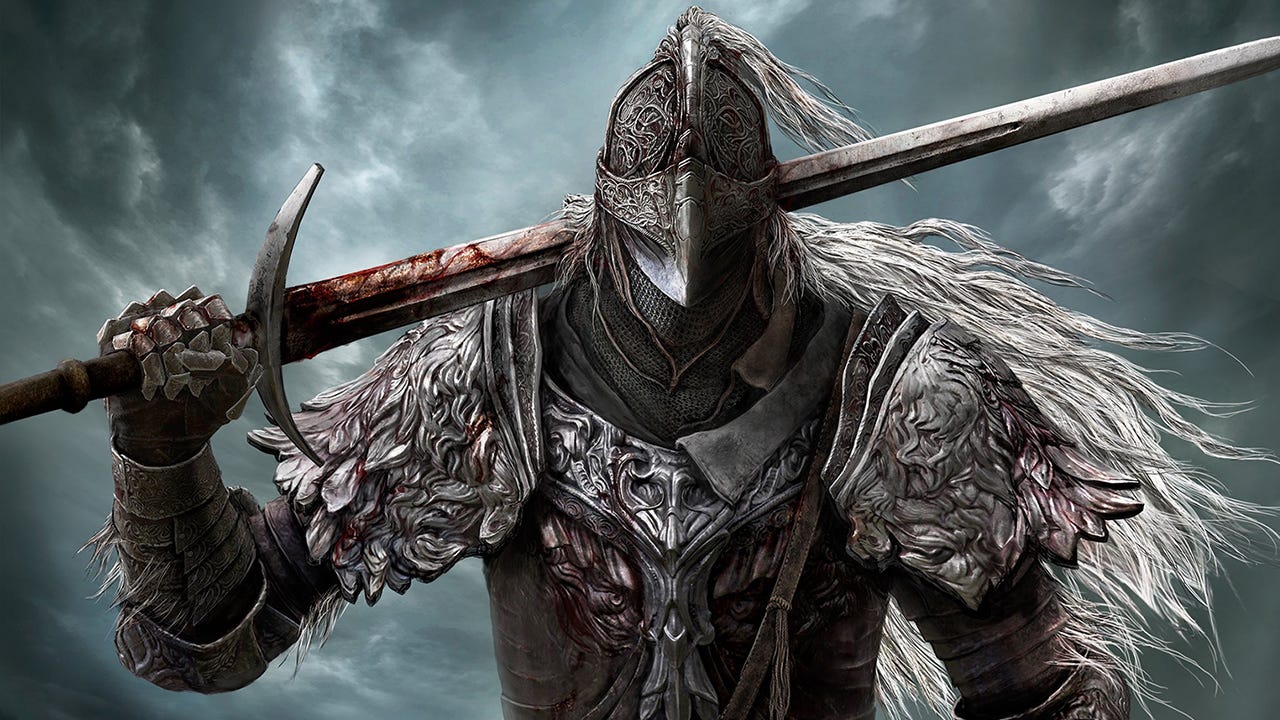
Elden Ring Isn’t a Game — It’s a Place You Keep Going Back To

I lost count of how many times I died to the Tree Sentinel. Not the first time, that was humiliating, sure, but the fifth? The twelfth? The one where I’d finally memorized his wind-up, dodged just right, and still got clipped by the tail-end of his spear swing because my stamina bar blinked red for half a frame? Yeah. That one stung. Yet 37 hours in, I wasn’t grinding levels or rage-quitting. I was crouched behind a crumbling stone wall in Limgrave at 2 a.m. eating a Radish and whispering to myself: Okay. Next time. Next time I go left, not right.
That’s the thing no review ever quite captures: Elden Ring doesn’t feel like software. It feels like geography. Like weather. Like a place you get inside, not just play.
There’s No “Main Path” — Just Paths You Make Up As You Go
You wake up on a beach. A skeleton with a sword. A horse appears. That’s it. No tutorial pop-ups. No quest log. No glowing exclamation points begging for attention. Just grass, wind, a distant castle, and the quiet, low hum of something ancient breathing beneath your feet.
And then — you choose. Left toward the ruins, right toward the cliffs, or straight up that hill because the light hits the moss just so. You could follow the golden light guiding you to Stormveil Castle. You could also ride straight into Caelid at level 12 and get turned into paste by a god-tier scarlet rot beast. (Spoiler: I did. Twice.)
This isn’t “open world” as in map full of icons. It’s open world as in you decide what matters. That crumbled tower you passed? It’s got a secret boss inside — but only if you notice the faint glint of metal in the broken window, climb the ivy-covered side, and survive the falling ceiling trap. That guy sitting silently by the campfire near the Weeping Peninsula? He won’t talk until you bring him a specific item and you’ve already spoken to someone else in Liurnia — who you’d only meet if you’d taken the flooded tunnel instead of the bridge.
No hand-holding. No breadcrumbs. Just cause and effect, scattered across 60+ square miles of terrain that feels lived-in, not laid out.
Combat Still Hurts — And That’s the Point
Let’s be real: Elden Ring didn’t soften Dark Souls’ edge. It polished it. Made it sharper.
Yes, you’ve got jump attacks now. Yes, you can mount Torrent mid-combat and gallop away from a dragon (or charge at it — your call). But stamina management is still ruthless. Guarding drains stamina fast, and parrying? Don’t even joke about it unless you’ve practiced for twenty minutes straight against a training dummy. One mistimed dodge means you’re airborne, ragdolling over a cliff while a giant wolf chews on your torso.
What changed isn’t difficulty — it’s context. In Souls games, every corridor felt like a test chamber. Here? You might fight a terrifying, multi-phase boss in a sun-dappled forest clearing, then turn around and find a friendly merchant selling healing herbs five feet away. Or you’ll spend ten minutes creeping through a narrow catacomb, heart pounding, only to burst into a cathedral lit by stained glass — and realize the “boss” is just a sleeping dragon curled around a pile of gold.
The combat doesn’t exist in spite of the world. It belongs to it.
The NPCs Aren’t Quest Givers — They’re Ghosts With Habits
Remember Rennala? The queen of the full moon? You meet her early, maybe in a dream, maybe in person, and she seems kind, regal, tragic. Then later, after you’ve fought your way through the Academy of Raya Lucaria, you find her shattered, insane, screaming in a ruined tower. Not because the plot required it — but because time passed, and things fell apart, and you weren’t there to stop it.
That’s how most of them work. They don’t wait. They move. Sorrel the knight wanders from Liurnia to Leyndell, changing armor, changing allegiances, changing mind. Boc the Plaguebearer shows up in three different places, each time more broken than the last, unless you intervene. And if you do intervene? Sometimes it helps. Sometimes it makes everything worse. Sometimes it just changes the dialogue — one line, whispered differently.
There’s no quest tracker telling you “Boc needs help.” There’s just a man coughing blood in a cave, holding a letter addressed to someone who’s been dead for centuries. You read it. You decide what to do. You walk away — or you don’t.
It’s messy. It’s forgettable. It’s human.
You Will Miss Things — And That’s Okay
I missed D’s story. Entirely. Didn’t know he existed until a friend sent me a 12-minute YouTube video titled “THE TRAGEDY OF D THE HUNTER (you probably skipped this).”
And you know what? I didn’t feel cheated. I felt… curious. Like walking past a closed door in an old house — you know something’s behind it, but you’re not ready yet. Maybe next playthrough. Maybe never. Doesn’t matter.
Elden Ring doesn’t punish you for missing content. It rewards you for being present in this moment — watching a hawk circle over Mount Gelmir, noticing how rain pools in the hollows of a giant’s skull, realizing the “ruins” you’re exploring are actually the ribs of a fallen god.
It’s the first open-world game I’ve played where I wanted to ignore the map. Not because it’s bad, it’s brilliant, but because the real map is in my head now: the slope where the wolves ambush you at dusk, the shortcut behind the waterfall near Fort Faroth, the exact patch of grass where you can sit and watch the Erdtree glow purple at twilight.
So Who Is This For?
Not for people who want to “beat” a game.
Not for people who need clear objectives, constant feedback, or dopamine hits every 90 seconds.
It’s for the ones who still remember the thrill of finding a hidden cave in Ocarina of Time, or the quiet satisfaction of mapping out Shadow of the Colossus’s empty plains by memory. It’s for people who like getting lost, really lost, and trusting that something interesting will happen before they starve.
It’s also for people who think “difficulty” is just another word for “respect.” Elden Ring doesn’t hold your hand, but it does respect your time, your curiosity, your mistakes. Die a hundred times? Fine. Try again. Or don’t. Climb that mountain instead. Talk to the old woman selling dumplings. Watch the sunset from the top of Stormveil’s broken ramparts.
Eighty-seven hours in, I’m still finding new paths. Still meeting characters I’ve never seen before. Still getting blindsided by a boss I walked past three times without realizing it was alive.
And honestly? I don’t plan on finishing it anytime soon.
Because finishing Elden Ring isn’t the point.
Staying in it is.
References & Further Reading
Loading comments...
Loading similar articles...