
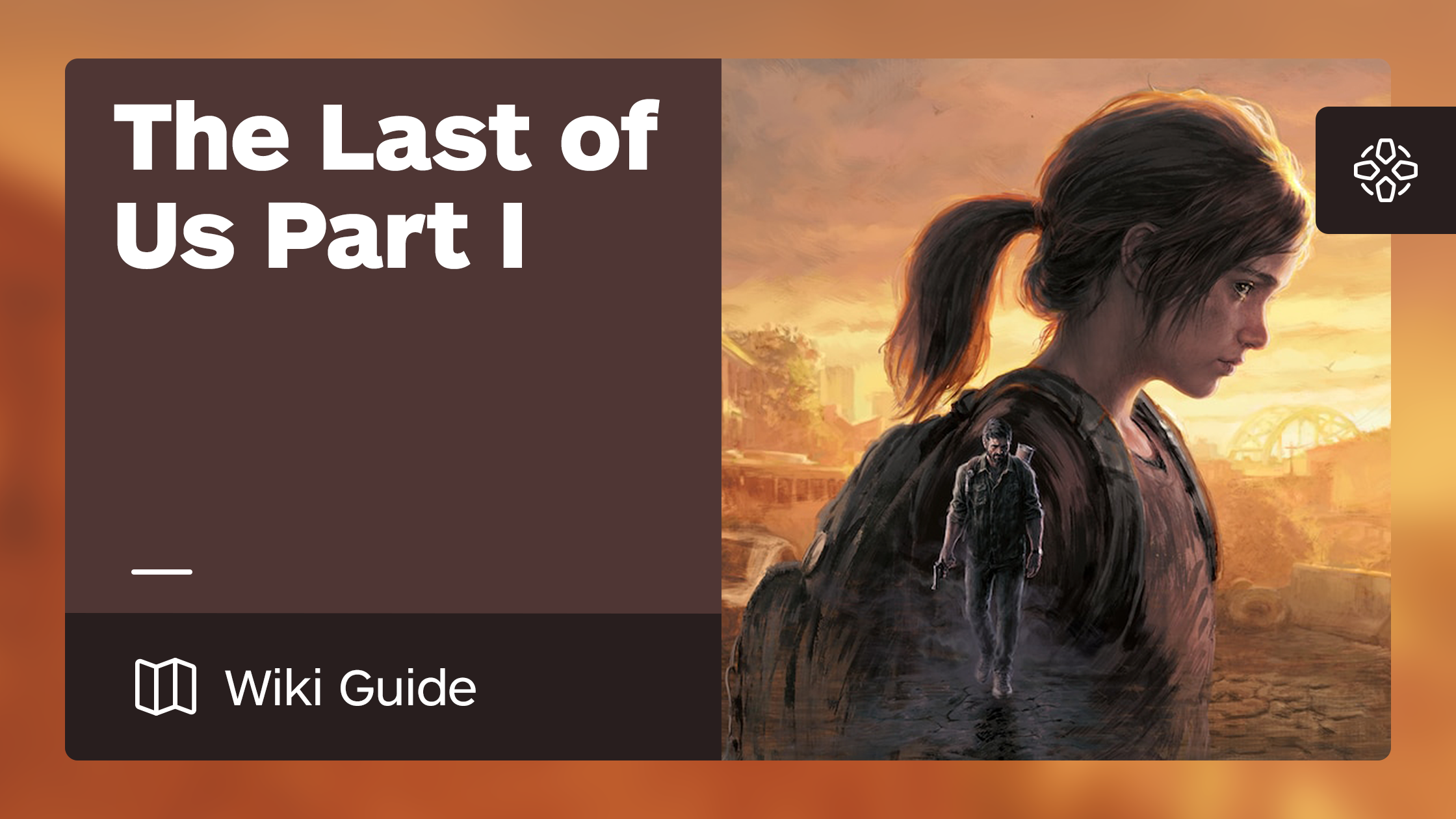
The Last of Us Part I Isn’t a Remake—It’s a Reckoning
The Last of Us Part I Isn’t a Remake—It’s a Reckoning I played the original The Last of Us on PS3 in 2013 with my roommate, hunched on a couch so worn the stuffing poked through at the seams.
The Last of Us Part I Isn’t a Remake—It’s a Reckoning

I played the original The Last of Us on PS3 in 2013 with my roommate, hunched on a couch so worn the stuffing poked through at the seams. We paused after the hospital scene—not because we needed to reload, but because neither of us could speak for six minutes. My throat felt tight. He stared at the ceiling fan like it held answers. That wasn’t just “good storytelling.” It was the first time a game made me feel physically unmoored—not from awe, but from recognition. Like it had opened a drawer in my head I didn’t know existed and pulled out something raw and old.
Twelve years later, Part I landed on PS5—not as a remaster, not even really a remake. It’s more like Naughty Dog took the original blueprint, burned it, and rebuilt the whole damn house using the same bricks but different mortar. And honestly? It’s uncomfortable. In the best possible way.
Why You’ll Flinch at the Sound of a Door Creaking
Let’s talk about audio first—because that’s where the new version punches hardest. Santaolalla’s score is still there, all twang and silence, but now every footstep on gravel has texture. Every breath Ellie takes when she’s hiding behind a rusted dumpster? You hear the slight catch in it—the micro-tremor of exhaustion, not fear. And the Infected? Their clicks aren’t just louder. They’re directional, layered, almost wet. You don’t just hear them coming—you feel the vibration in your controller before your brain registers the threat.
This isn’t polish. It’s pressure. The game leans into quiet so hard it becomes oppressive. A hallway with no enemies feels dangerous because you know what happens when sound breaks that silence. You learn, fast, not to sprint past broken glass. Not to slam doors. Not to laugh out loud while playing (yes, I did that once. Got ambushed by a runner three seconds later. Felt deserved).
Joel Doesn’t Just Walk—He *Wears* His Body
Movement got weirdly human. Joel stumbles over uneven pavement like someone who’s carried too much grief for too long. His shoulders slump when he’s tired—not as an animation trigger, but as a slow, cumulative slump across chapters. When he climbs a ladder, his hands don’t just grip—they strain. You see the tendons flex under his sleeves. His breathing changes depending on whether he’s jogging, dragging a body, or just trying not to cry in front of Ellie.
And Ellie? She doesn’t just follow. She reacts. She kicks pebbles when she’s bored. She winces when she grabs a ledge with a fresh cut on her palm. She stops mid-conversation to watch a bird take off from a dead tree—and you have to wait. Not because the game forces you to, but because skipping it feels like interrupting someone mid-thought. Which, frankly, is rare in games that treat NPCs like scripted furniture.
Combat Feels Like Surgery—Not Shooting
Yeah, you’ve got guns. Shotguns, pistols, rifles. But ammo is scarce, reloading is slow, and missing even one shot can cost you everything. So most fights end up being tense, scrappy things—less Call of Duty, more watching two stray dogs circle each other in an alley. You’ll spend more time listening for footsteps than lining up headshots. More time crafting shivs and smoke bombs than swapping magazines.
Here’s the thing nobody talks about enough: you get better at killing. Not in a power-fantasy way. In a sickening, quiet way. Early on, you fumble with the bow—arrow wobbles, misses. By Pittsburgh? You draw, exhale, release—all in one motion. Your thumb knows exactly where to press on the stick to aim low and left, where the runner’s neck will be in half a second. That progression isn’t just mechanical. It’s moral erosion disguised as skill gain. And the game lets you sit with that. No judgment. Just silence afterward. Sometimes Ellie says nothing. Sometimes she says, “You okay?” And you have to decide, out loud, to yourself, whether you are.
Left Behind Hits Harder Now—Because We Know What Comes Next
The DLC wasn’t just tacked on. It’s been rebuilt from the ground up, with Ellie’s facial animations so detailed you can see her swallow when she lies. Her friendship with Riley isn’t just “sweet”—it’s messy, hormonal, impatient, full of half-said things and sudden laughter that cuts off too fast.
Watching her sneak out of military school in Left Behind, knowing what she’ll lose, and what she’ll become, makes the joy ache. You’re not just playing a memory. You’re watching someone try to hold onto light while already standing in shadow. And the new version adds subtle touches: Riley’s hair catches the streetlight differently. The graffiti on the mall walls shifts slightly between scenes—not for realism, but to suggest time passing inside the memory itself. Like the past isn’t static. It’s breathing.
Who Is This For? Not Nostalgia Hunters. Not Trophy Grinders.
Look—if you’re replaying Part I hoping for nostalgia, you’re gonna feel off-balance. The pacing is tighter. Some dialogue is trimmed. The camera lingers longer on faces, shorter on action. It’s not “bigger.” It’s closer. Like someone leaned in and whispered the whole story again—but this time, they didn’t look away when it got ugly.
This version is for people who remember how it felt the first time—but want to understand why it hit so hard. For players who’ve spent years analyzing cutscenes like film students, only to realize the real magic was always in the pauses between lines. For anyone who’s ever walked home late at night, heart pounding for no reason, and wondered: What if the world ended tomorrow? Would I be kind? Would I survive? Would I even want to?
It’s not perfect. The AI still does dumb things sometimes—like a Clicker walking straight into a lit room like it’s auditioning for a horror movie. And yeah, some of the environmental storytelling feels too deliberate now, like the game’s whispering, “Notice this broken doll. Notice this child’s drawing taped to the fridge.” But those moments don’t break immersion—they deepen it. Because real trauma isn’t subtle. It’s loud, repetitive, impossible to ignore.
So here’s what I think: The Last of Us Part I isn’t about the end of the world. It’s about what survives after the world ends—and how little of it looks like heroism. Most of it looks like Joel wiping blood off his sleeve and saying, “Let’s go,” like it’s Tuesday. Most of it looks like Ellie humming off-key while stitching a wound. Most of it looks like choosing, again and again, to keep breathing—even when you’re not sure why.
Play it. Then put it down. Go outside. Watch people walk past. Listen to how they talk. How they hesitate. How they touch each other’s arms when they laugh.
That’s the real game. And it never ends.
References & Further Reading
Loading comments...
Loading similar articles...