
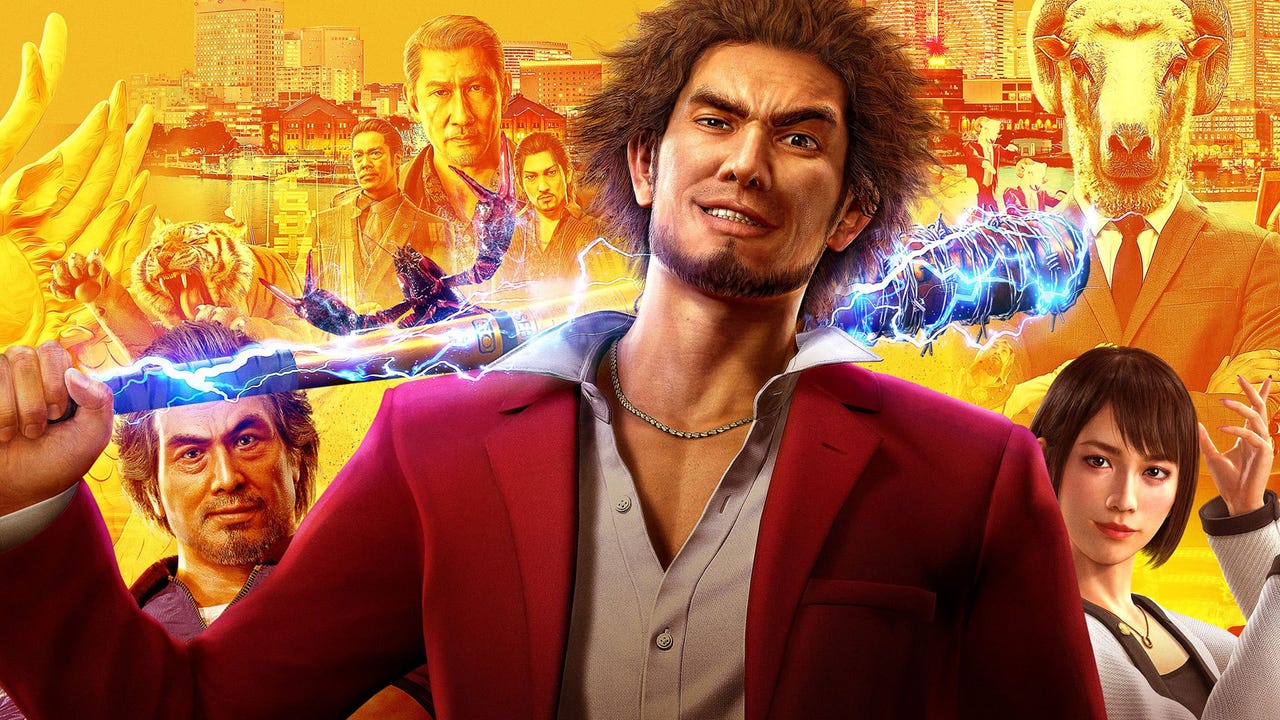
Yakuza: Like a Dragon Is the Weirdest, Most Sincere JRPG I’ve Ever Played — And It Almost Breaks Your Brain
Yakuza: Like a Dragon Is the Weirdest, Most Sincere JRPG I’ve Ever Played — And It Almost Breaks Your Brain I spent 62 hours in Yokohama trying to get a guy named Adachi to stop yelling “BURN!” every
Yakuza: Like a Dragon Is the Weirdest, Most Sincere JRPG I’ve Ever Played — And It Almost Breaks Your Brain

I spent 62 hours in Yokohama trying to get a guy named Adachi to stop yelling “BURN!” every time he lit a cigarette. Not metaphorically. Literally. He’d strike a match, inhale, and bellow it like a war cry. And somehow? I loved it.
Yeah, I know. That sounds insane. But that’s Like a Dragon in a nutshell: a game so committed to its own brand of absurdity — and so quietly, stubbornly human beneath all the traffic-cone jabs and karaoke montages — that it rewrites your expectations mid-sentence. Not by being “edgy” or “gritty.” By being earnest. Even when it’s ridiculous.
Turn-Based Brawling? Yeah, It Actually Works
Look, I rolled my eyes too. When they announced the switch from real-time brawling to turn-based combat, I muttered something about “RPGs needing more mana bars and fewer broken noses.” Then I played the first proper fight — against a trio of janitors wielding industrial mops — and realized: oh. This is how you make street fights feel like events.
You don’t dodge punches anymore. You time them. Tap guard just before an enemy swings? Block lands clean. Knock someone flat with a well-placed kick? They’re stunned for one full turn — and your whole party gets to pile on while they’re down. It’s not flashy like Dragon Ball Z, but it feels physical. Weighty. Like every hit matters because it costs something — stamina, positioning, momentum.
And the spectacle? Unhinged. A man in a full-body squid costume spits ink that blinds your whole party. A group of salarymen forms a conga line to deliver synchronized slaps. A guy dressed as a walking vending machine dispenses actual healing drinks — then tries to sell them to you mid-fight. It’s stupid. It’s brilliant. It’s 100% Yokohama.
Jobs: The Best Idea With the Worst Onboarding
Here’s the thing nobody warned me about: jobs aren’t classes. They’re careers. And in this world, becoming a Host isn’t about charisma stats — it’s about learning how to read a room, charm a stranger into buying overpriced whiskey, and then punch them in the throat if they get handsy. Chef lets you cook meals mid-battle (yes, really) that heal or buff. Dealer? You draw cards that trigger random effects — sometimes healing, sometimes summoning a rogue pigeon to peck at enemies.
It’s genius. Also, deeply opaque. The game doesn’t tell you that Idol isn’t just “better singing” — it unlocks a passive that reduces enemy aggression and lets you revive allies with a dramatic mic-drop animation. You only learn that after sinking 15 hours into leveling it up. I swapped Saeko to Idol on a whim because her default Hostess skill tree felt slow. Turns out, she became the backbone of my entire late-game party — healing, reviving, and dropping morale-boosting ballads like she was born for it.
But yeah, you’ll waste time. Probably on Chef. Or Bartender. Or that one job called “Security Guard” that makes your character wear sunglasses indoors at all times. It’s fine. Just… save often.
Yokohama Feels Alive — Because It Is
Forget Kamurocho. This Yokohama isn’t a set piece. It’s a working city. You walk past construction crews rerouting sidewalks. You see delivery bikes weaving through narrow alleys at rush hour. You overhear arguments between shopkeepers and yakuza debt collectors — not scripted cutscenes, but ambient chatter bleeding from open doorways.
The side content? Wilder than ever. You can join a failing indie wrestling promotion, manage a struggling ramen stall (with actual supply chain logic), or become a part-time taxi driver — complete with real-time traffic and irate passengers who complain if you take the scenic route. One mission has you helping a depressed pachinko addict find purpose by teaching him how to bake perfect dorayaki. Another involves convincing a retired sumo wrestler to start a podcast about grief and fermented soybeans.
None of it advances the main plot. All of it makes the world feel like it breathes without you.
The Grind Is Real — And Kinda the Point
Let’s be blunt: the last 10 hours are rough. Not hard — just long. Enemies scale aggressively. Bosses demand specific job synergies you might not have unlocked yet. There’s a stretch where you’re grinding in the same underground casino basement for three straight nights, fighting waves of men in glittery tracksuits, just to afford the next story chapter.
But here’s the weird part? It didn’t feel like padding. It felt like living. I started doing side quests between boss fights just to clear my head. Took my crew to karaoke. Bought everyone new outfits. Watched the sunset from the Ferris wheel. The grind wasn’t punishment — it was permission to slow down. To remember these people aren’t just party members. They’re friends you’re choosing to protect.
Still, If you hate menu navigation, skip the “Job Mastery Tree” section entirely. Trust me.
What This Game Actually Wants From You
It wants you to care. Not about the conspiracy — though yes, there’s a convoluted one involving biotech, fake deaths, and a cult that worships expired convenience store bentos. It wants you to care about Ichiban Kasuga’s dumb grin when he finally learns how to use a microwave. About Nanba’s quiet panic every time he has to talk to a woman who isn’t his sister. About Adachi lighting that damn cigarette again, not because he’s cool, but because he’s terrified of silence.
Yakuza: Like a Dragon isn’t trying to reinvent the JRPG. It’s trying to smuggle humanity into one — wrapped in neon, soaked in sake, and delivered via a flying bicycle kick to the face.
So who’s it for? Not the RPG purist who needs flawless balance or bulletproof lore. Not the action fan who wants twitch reflexes and cinematic combos. It’s for the person who once spent 45 minutes helping a stray cat find its owner in Red Dead Redemption, just because it felt right. For anyone who’s ever cried at a karaoke bar. For people who think “family” can mean the guy who fixes your phone and the woman who sells you taiyaki and the ex-con who teaches you how to throw a proper punch.
It’s messy. It’s flawed. It’s wildly inconsistent in tone — one minute it’s tackling systemic poverty, the next it’s a boss battle inside a giant mechanical crab.
And somehow? It all holds together. Because underneath every absurd fight, every over-the-top cutscene, every 20-minute-long dialogue scene about the ethics of convenience store coffee — there’s a simple, stubborn belief:
People are worth saving. Even the ones who yell “BURN!” while lighting cigarettes.
I believe it too. At least until the next game comes out. Then we’ll probably argue about it over cheap beer. And that’s exactly how it should be.
References & Further Reading
Loading comments...
Loading similar articles...